

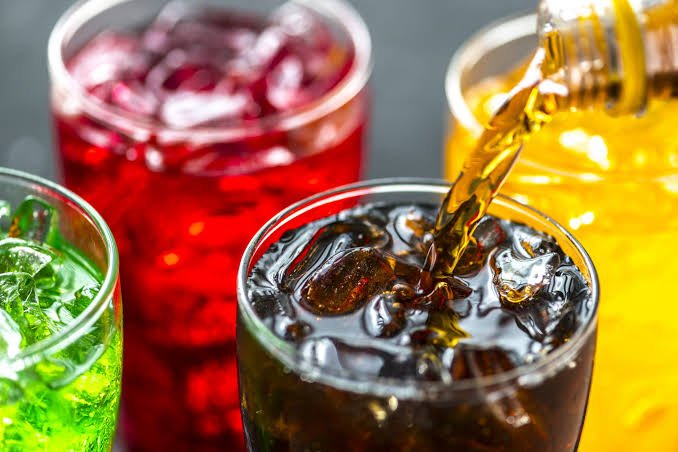
Beverages are an essential part of daily life. From morning coffee and refreshing water to herbal teas, juices, smoothies, and soft drinks, beverages provide hydration, energy, comfort, and enjoyment. The word beverages covers every drink people consume, whether for nutrition, refreshment, celebration, or health.
In this article, you will learn what beverages are, explore their major types, understand their health benefits and risks, and discover how to choose better drinks for your lifestyle. This guide is designed to be helpful, easy to read, and useful for anyone interested in making smarter beverage choices.
What Are Beverages?
A beverage is any liquid intended for human consumption. Beverages can hydrate the body, supply nutrients, provide caffeine, support digestion, or simply offer pleasure through taste and aroma.
People consume beverages for many reasons:
- To stay hydrated
- To gain energy
- To enjoy flavor
- To relax or socialize
- To support health and wellness
- To accompany meals
- To celebrate special occasions
Because beverages are such a large category, they include everything from plain water to complex cocktails, protein shakes, fermented drinks, and specialty coffees. The best beverage for you depends on your health needs, activity level, climate, personal taste, and dietary goals.
Why Beverages Matter for Health
Water makes up a large portion of the human body, so proper hydration is vital for nearly every bodily function. Beverages help regulate body temperature, transport nutrients, support digestion, lubricate joints, and remove waste.
However, not all beverages affect the body in the same way. Some drinks provide valuable vitamins, minerals, and antioxidants, while others contain high levels of sugar, caffeine, alcohol, or artificial additives.
Choosing beverages wisely can support:
- Better hydration
- Healthy digestion
- Stable energy levels
- Weight management
- Improved focus
- Stronger immunity
- Better sleep when consumed at the right time
The key is balance. A healthy beverage routine does not mean avoiding enjoyable drinks forever; it means understanding what each drink offers and consuming it in moderation.
Major Types of Beverages
Beverages can be grouped into several main categories. Each type serves a different purpose and offers unique benefits.
Water-Based Beverages
Water is the most important beverage for human health. It contains no calories, sugar, or caffeine, making it the ideal choice for daily hydration.
Common water-based options include:
- Plain water
- Sparkling water
- Mineral water
- Coconut water
- Infused water with fruits or herbs
- Electrolyte water
For most people, plain water should be the primary beverage throughout the day. Infused water can be a great alternative for those who find plain water boring, as adding lemon, cucumber, mint, berries, or orange slices can improve flavor without adding much sugar.
Tea
Tea is one of the most widely consumed beverages in the world. Made from the leaves of the Camellia sinensis plant, true teas include green tea, black tea, white tea, and oolong tea.
Tea contains natural compounds called polyphenols, which have antioxidant properties. Green tea is especially popular among health-conscious consumers because it contains catechins and a moderate amount of caffeine.
Popular tea varieties include:
- Green tea
- Black tea
- White tea
- Oolong tea
- Herbal tea
- Chamomile tea
- Peppermint tea
- Ginger tea
- Rooibos tea
Herbal teas are technically not true teas because they are made from herbs, flowers, spices, or fruits rather than tea leaves. Still, they are a comforting, caffeine-free beverage option for many people.
Coffee
Coffee is one of the most popular caffeinated beverages worldwide. It is valued for its rich flavor, aroma, and ability to increase alertness.
Coffee contains caffeine, which can temporarily improve focus, energy, and physical performance. However, drinking too much coffee—especially late in the day—may cause restlessness, anxiety, or sleep problems.
Common coffee beverages include:
- Espresso
- Americano
- Latte
- Cappuccino
- Mocha
- Cold brew
- Iced coffee
- Instant coffee
Black coffee is generally lower in calories than coffee drinks made with cream, sugar, syrups, or flavored toppings. If you enjoy specialty coffee, choosing smaller portions and reducing added sugar can make it a healthier option.
Juices
Juices are made by extracting liquid from fruits or vegetables. They can provide vitamins, minerals, and plant compounds, but they may also contain a high amount of natural sugar.
Freshly squeezed juice can be nutritious, but whole fruits are usually a better choice because they contain fiber. Fiber slows sugar absorption and helps you feel full.
Popular juice options include:
- Orange juice
- Apple juice
- Carrot juice
- Beet juice
- Pomegranate juice
- Cranberry juice
- Vegetable juice
- Green juice
When buying juice, look for 100% juice with no added sugar. Avoid drinks labeled as “juice cocktails” or “juice drinks,” because they often contain added sugars and less real fruit juice.
Smoothies
Smoothies are blended beverages made from fruits, vegetables, yogurt, milk, plant-based milk, nuts, seeds, or protein powder. They can be a convenient way to consume multiple nutrients in one drink.
A well-made smoothie can support a healthy diet, especially when it includes:
- Leafy greens such as spinach or kale
- Fresh or frozen fruit
- Unsweetened yogurt or milk
- Healthy fats such as avocado, chia seeds, or nut butter
- Protein such as Greek yogurt or protein powder
However, smoothies can become high in calories when they contain excessive fruit, sweetened yogurt, juice, honey, or syrup. Keeping portions moderate and focusing on whole ingredients makes smoothies more balanced.
Milk and Plant-Based Milk
Milk is a nutrient-rich beverage that provides protein, calcium, vitamin D, and other essential nutrients. Dairy milk is available in whole, low-fat, and skim varieties.
Plant-based milks have become increasingly popular, especially among people who are lactose intolerant or follow vegan diets.
Common milk alternatives include:
- Almond milk
- Soy milk
- Oat milk
- Coconut milk
- Rice milk
- Cashew milk
- Hemp milk
Each option has a different nutritional profile. Soy milk tends to be higher in protein, while oat milk is creamy and popular in coffee. Always check labels for added sugar, especially in flavored varieties.
Soft Drinks and Carbonated Beverages
Soft drinks, also called sodas or carbonated drinks, are flavored beverages that often contain carbonated water, sweeteners, flavors, and preservatives.
Regular soft drinks usually contain high amounts of added sugar. Frequent consumption may contribute to weight gain, tooth decay, and increased risk of metabolic health problems.
Diet sodas use artificial or non-nutritive sweeteners instead of sugar. While they contain fewer calories, they should still be consumed in moderation.
Healthier alternatives include:
- Sparkling water
- Water with lemon or lime
- Unsweetened iced tea
- Kombucha
- Homemade fruit-infused water
Energy Drinks
Energy drinks are designed to boost alertness and physical performance. They often contain caffeine, sugar, taurine, B vitamins, and herbal extracts.
While energy drinks may provide a short-term energy boost, excessive consumption can lead to rapid heartbeat, nervousness, headaches, dehydration, and sleep disruption. They are not suitable for children, people sensitive to caffeine, or those with certain heart conditions.
For a safer energy boost, consider:
- Water
- Green tea
- Black coffee in moderation
- A balanced snack
- Proper sleep and hydration
Alcoholic Beverages
Alcoholic beverages include beer, wine, spirits, cocktails, and other drinks containing ethanol. They are often consumed socially or during celebrations.
Alcohol should always be consumed responsibly, if at all. Excessive drinking can harm the liver, heart, brain, and overall health. It can also impair judgment and increase accident risk.
If you choose to drink alcohol, moderation is important. Non-alcoholic beer, mocktails, sparkling water with fruit, and alcohol-free cocktails are growing in popularity as alternatives.
Fermented Beverages
Fermented beverages are drinks produced through natural fermentation. They may contain beneficial bacteria or yeasts that can support gut health.
Popular fermented beverages include:
- Kombucha
- Kefir
- Kombucha-style drinks
- Some traditional fermented drinks
Kefir is a fermented milk drink rich in probiotics, while kombucha is a fermented tea with a slightly tangy taste. Some fermented drinks contain small amounts of alcohol, so labels should be read carefully.
Healthy Beverage Choices
Choosing healthy beverages does not have to be complicated. A simple approach is to prioritize drinks that hydrate the body without adding excessive sugar or artificial ingredients.
Best Beverages for Daily Hydration
The following drinks are excellent choices for everyday consumption:
- Plain water
- Sparkling water without sugar
- Herbal tea
- Green tea
- Black coffee in moderation
- Unsweetened plant-based milk
- Coconut water in moderation
These beverages can keep you hydrated while limiting unnecessary calories and added sugars.
Beverages to Limit
Some beverages are fine occasionally but should not dominate your daily routine:
- Sugary sodas
- Energy drinks
- Sweetened iced teas
- Flavored coffee drinks
- Fruit drinks with added sugar
- Alcoholic beverages
- Highly processed sports drinks
Reading nutrition labels is one of the best ways to make informed choices. Look at serving size, sugar content, caffeine level, and ingredient list before buying.
Beverages for Different Lifestyles
Different people need different beverages depending on their goals and daily activities.
For Fitness and Exercise
During exercise, water is usually enough for moderate activity. For long or intense workouts, electrolyte drinks may help replace sodium, potassium, and other minerals lost through sweat.
Good options include:
- Water before, during, and after workouts
- Electrolyte water for intense exercise
- Protein shakes after strength training
- Coconut water for natural electrolytes
Avoid sugary sports drinks unless you are participating in prolonged, high-intensity activity.
For Weight Management
For those trying to manage weight, low-calorie and unsweetened beverages are ideal. Liquid calories can add up quickly, especially from sodas, juices, and specialty coffees.
Helpful choices include:
- Water
- Sparkling water
- Unsweetened tea
- Black coffee
- Vegetable juice
- Low-sugar smoothies
Drinking water before meals may also help support portion control and healthy eating habits.
For Better Sleep
Caffeinated beverages should generally be avoided in the evening. Coffee, energy drinks, black tea, and some soft drinks can interfere with sleep.
Better evening beverage choices include:
- Chamomile tea
- Warm milk
- Caffeine-free herbal tea
- Warm water with honey
- Golden milk made with turmeric and plant-based milk
A calming nighttime drink can become part of a relaxing bedtime routine.
How to Choose Quality Beverages
When selecting beverages, quality matters as much as taste. Here are practical tips for choosing better drinks:
- Choose water as your default beverage
- Read labels for added sugars and artificial ingredients
- Select 100% juice instead of juice cocktails
- Choose unsweetened tea and coffee
- Limit energy drinks and sugary sodas
- Pick whole fruits over fruit juice when possible
- Use fresh ingredients in homemade smoothies
- Check caffeine content before drinking late in the day
- Stay hydrated throughout the day, not only when thirsty
Small changes can make a major difference over time. Replacing one sugary soda per day with water or unsweetened tea can reduce calorie intake and improve hydration.
Beverage Trends
The beverage industry continues to evolve as consumers become more health-conscious and environmentally aware. Some popular trends include:
- Plant-based milks
- Functional beverages with vitamins or adaptogens
- Low-sugar and zero-sugar drinks
- Sparkling water
- Kombucha and probiotic drinks
- Cold brew coffee
- Ready-to-drink herbal teas
- Non-alcoholic cocktails
- Sustainable packaging
Consumers are increasingly looking for beverages that offer both flavor and function. Drinks that support immunity, digestion, energy, relaxation, or hydration are especially in demand.
Frequently Asked Questions
What is the healthiest beverage?
Plain water is generally the healthiest beverage because it hydrates the body without calories, sugar, or additives. Unsweetened tea and black coffee can also be healthy choices in moderation.
How many beverages should I drink daily?
Most people benefit from drinking water regularly throughout the day. Exact needs vary based on body size, activity level, climate, and health conditions.
Are fruit juices healthy?
Fruit juice can provide vitamins, but whole fruit is usually healthier because it contains fiber. Choose 100% juice and drink it in small portions.
Are energy drinks bad for you?
Energy drinks are not necessarily harmful in small amounts for healthy adults, but they can be risky when consumed excessively or combined with alcohol. They are not recommended for children or caffeine-sensitive individuals.
What beverages help with hydration?
Water, coconut water, electrolyte drinks, herbal tea, and milk can all contribute to hydration. Water remains the best everyday option.
Final Thoughts
Beverages play a powerful role in health, energy, and enjoyment. From water and tea to coffee, smoothies, juices, and fermented drinks, every beverage offers something different.
The smartest approach is to make water your foundation, enjoy nutritious drinks in moderation, and limit beverages high in added sugar, caffeine, or alcohol. By understanding the different types of beverages and their effects on the body, you can build a drinking routine that supports both wellness and pleasure.
Whether you are refreshing yourself after exercise, warming up with tea, enjoying a morning coffee, or blending a healthy smoothie, choosing beverages mindfully can improve your daily life one sip at a time.